
How to Distinguish Humility from Self-Criticism
There is a distinction between self-criticism and humility. While self-criticism fosters anxiety and negativity, humility encourages acceptance and balanced self-esteem. Recognizing their differences is essential for personal growth and maintaining mental well-being, promoting resilience and healthier self-evaluations.
Overcoming Post-Therapy Blues: How to Manage Feeling Low After Sessions
Therapy can be emotionally taxing, leading to "post-therapy blues." To manage this, schedule sessions wisely, journal your feelings, practice grounding techniques, engage in physical activities, and communicate with loved ones or your therapist. Prioritize self-care for progress.
Hate - What it is & How to Heal From it
This article is about hate - a complex emotion rooted in fear and identity, often manipulated by societal forces. Understanding and humanizing others is key to overcoming it and healing.

4 Tips for Addressing Anxiety & Anger in Conversations
This article dives into anxiety and anger - negative emotions that can complicate relationships and conflict. To manage these emotions, recognize and label them, connect them to actions, self-soothe before, during, and after discussions, and express feelings constructively using "I" statements. Effective management fosters trust and connection.
Are Boundaries Selfish? The Truth about Healthy Conflict
This article explores boundaries - which are essential for healthy relationships, especially in conflict. They establish interpersonal rules for acceptable behavior and protect individuals from harm. Contrary to some beliefs, setting boundaries is not selfish or isolating; it helps maintain connections while ensuring personal well-being. Healthy conflict can occur when boundaries are respected.
Gaslighting - Understanding its History, Purpose, and Impact
Gaslighting is a manipulative tactic rooted in psychological control, originating from the 1944 film "Gaslight." It undermines victims' confidence and perception, leading to severe self-doubt and distrust. Both victims and perpetrators must confront the issue to foster healthier relationships built on trust and respect.
Break Away From Your Phone - Living by Decision, Not Stimulation
This article discusses smartphone usage - while convenient, it can be detrimental to mental health and cognition. Excessive use is linked to issues like anxiety, depression, and impaired decision-making. The urge to escape emotional pain drives this behavior. Healthy escapism exists, but individuals must learn to manage phone dependency through self-awareness and self-care for true well-being.
Journaling: How to Improve Your Mental Health with just 10 minutes a Day
This article is about journaling - a simple yet impactful self-care practice that can improve mental health. Dedicating just 10 minutes daily offers benefits like catharsis, mood enhancement, insight, and problem-solving. It encourages self-expression, helping individuals understand their emotions and foster overall well-being.
How to Use a Planner Without Harming Your Mental Health
This article discusses how planners and checklists can enhance productivity, but often carry emotional weight and impact mental health. They may become tools for self-judgment rather than support. It's crucial to use them as aids to reduce anxiety instead of measuring self-worth. Healthy use involves viewing them as supportive guides, not controlling influences.
Understanding Manipulation - When Perpetrators Play The Victim
This article explores how manipulation distorts reality, exploits empathy, and evades responsibility. Recognizing its tactics helps resist against it, fostering accountability and healthier relationships.
4 Ways to Stop a Self-Fulfilling Prophecy
Self-fulfilling prophecies can create cycles of pain and guilt, affecting various areas of life. Understanding their psychological roots is crucial for overcoming them. Techniques like cognitive challenging, self-care, acceptance, and self-forgiveness can help break this cycle and improve mental health, enhancing overall performance.
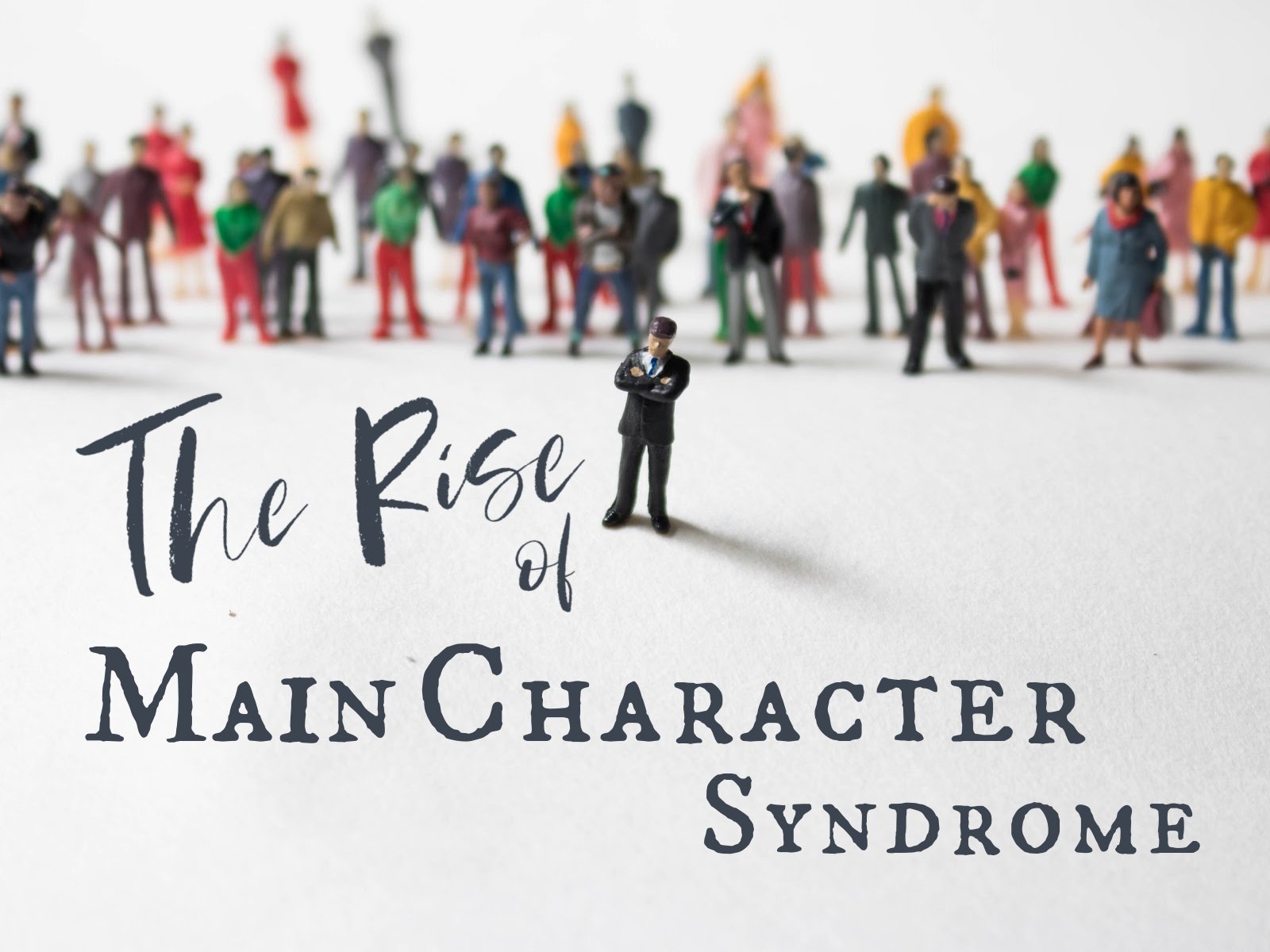
The Rise of Main Character Syndrome
Main character syndrome refers to individuals who see themselves as the central focus, disregarding others as mere background characters. This behavior leads to social disruptions, lack of empathy, and potential recklessness. Recognizing this tendency is crucial for fostering healthier relationships, as embracing the perspectives of others enriches both personal and shared experiences.