


The Dangers of Doom Scrolling
Doom scrolling, prevalent on social media, involves consuming negative content that negatively impacts mental and physical health. It often serves as a distraction from anxiety and boredom, especially in the morning and at bedtime. Understanding the triggers and context of doom scrolling is vital for addressing and changing this harmful habit.
4 Steps to Self-Awareness
Self-awareness is a valuable tool that can enhance or hinder personal growth, depending on its application. Key steps include acceptance of emotions, reflective analysis of actions, targeted behavior change, and embracing accountability for mistakes. By following these steps without self-criticism, individuals can improve relationships and overall quality of life.
Anxiety & The Impossible Task of Doing Nothing
Anxiety can provoke immediate responses, often leading to dependence on external factors for emotional relief. Instead, practicing "doing nothing" for 10-15 minutes allows individuals to manage their emotions before acting. This approach fosters emotional independence and rewires the brain for healthier responses to stressors.
3 Self-Permission Slips to Improve Your Mental Health
The article emphasizes the importance of combating negative self-talk with positive self-affirmation. It advocates for permitting oneself to feel emotions, rest, and even quit when necessary, highlighting that these actions foster mental and physical health. Embracing vulnerability can lead to a more balanced and fulfilling life.
Do I Have Social Anxiety?
The content describes the fictional story of "Socially Anxious Alex," who grapples with social anxiety manifesting through daily struggles at work and in social situations. His experiences highlight feelings of dread, self-criticism, and the impact of anxiety on personal and professional life. The article emphasizes recognizing social anxiety as a clinical issue and encourages seeking therapy for support and improvement.

Martyrdom — Debunking the Love Language of Acts of Service
This article explores Acts of Service as a love language, highlighting its potential pitfalls. While these acts can signify kindness, they may also be motivated by selfish desires or control. The discussion emphasizes the importance of genuine motivation behind acts of service, advocating for authentic kindness without conditions.

Unwanted Touching — Debunking the Love Language of Physical Touch
This article discusses the complexities of the love language Physical Touch, highlighting its potential to foster intimacy but also risks coercion and manipulation when misused. Authentic love requires consent and cannot be restricted solely to physical touch for fulfillment.

Schedule Coercion — Debunking the Love Language of Quality Time
The article explores the concept of quality time in relationships, highlighting its importance and potential issues, such as schedule coercion, which involves manipulating others to spend time together. It emphasizes the need for mutual consent and openness in love languages to foster genuine connections, rather than control or dependency.

Holiday Bribes — Debunking the Love Language of Gift Giving
The article explores the complexities of gift giving during the winter holidays, warning against viewing it solely as an expression of love. It highlights how understanding diverse love languages can help avoid misunderstandings and emotional bribery. True gifts are voluntary and free of strings, contrasting with emotionally manipulative gifts that require repayment.
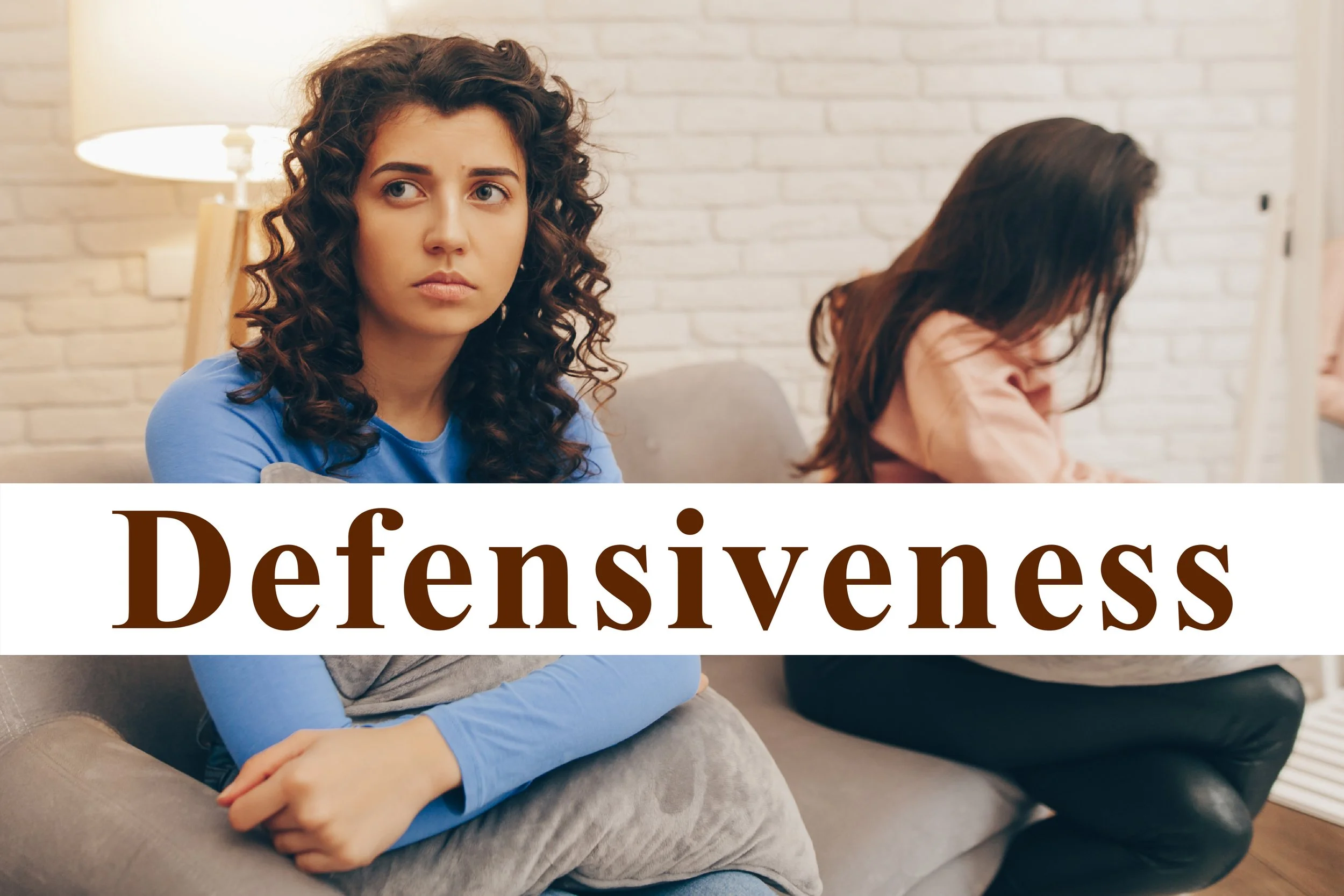
Defensiveness, Attacking Accountability
Defensiveness is a destructive communication style that undermines accountability in relationships. It manifests as aggression or evasion, often leading to emotional distance and conflict. Understanding and addressing defensiveness can foster healthier connections and improve relational trust.
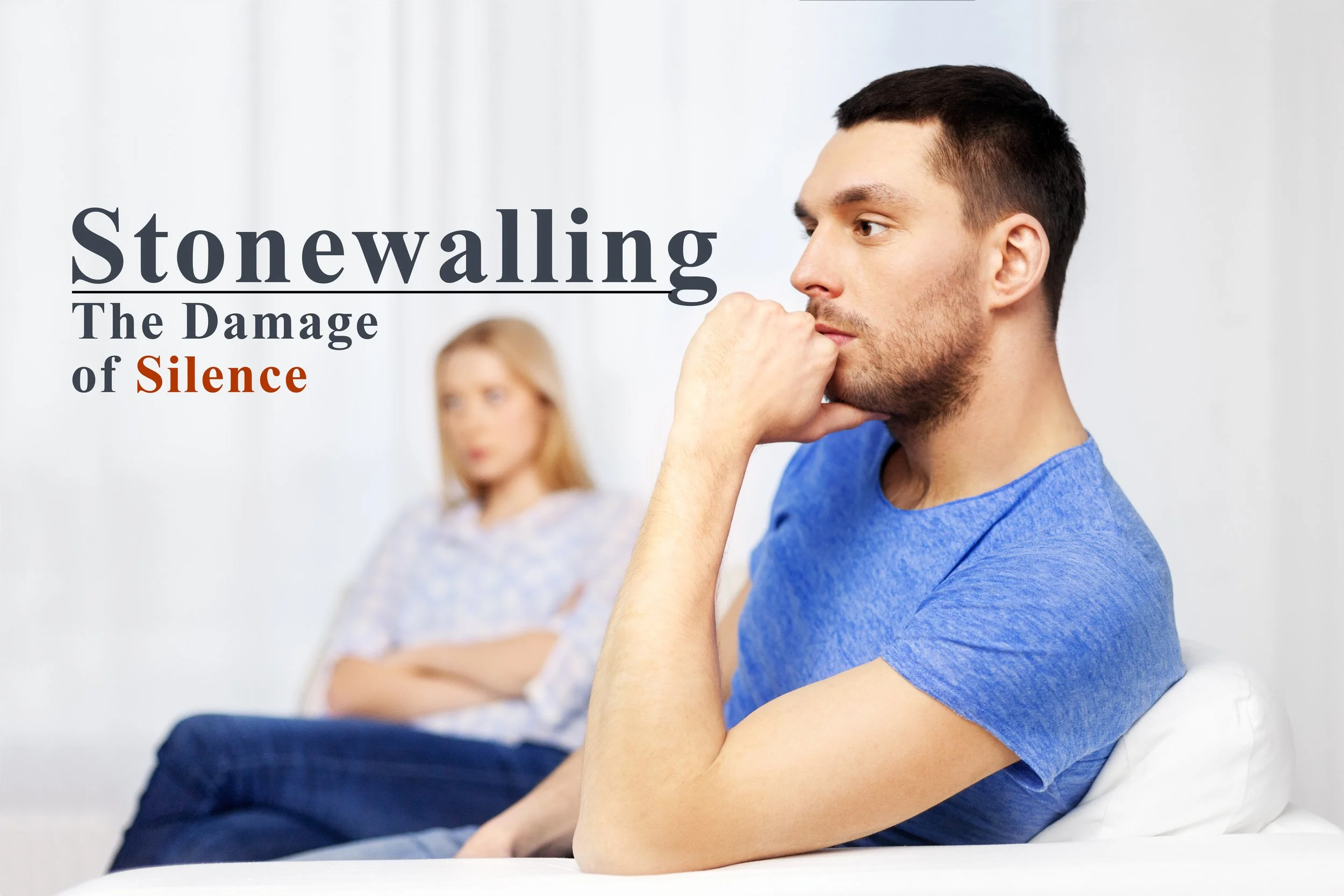
Stonewalling, The Damage of Silence
Conflict can be essential for maintaining relationships, yet stonewalling, where one partner withdraws or avoids engagement, can be damaging. Understanding its roots and impacts can help couples break down barriers and foster healthy communication and vulnerability.