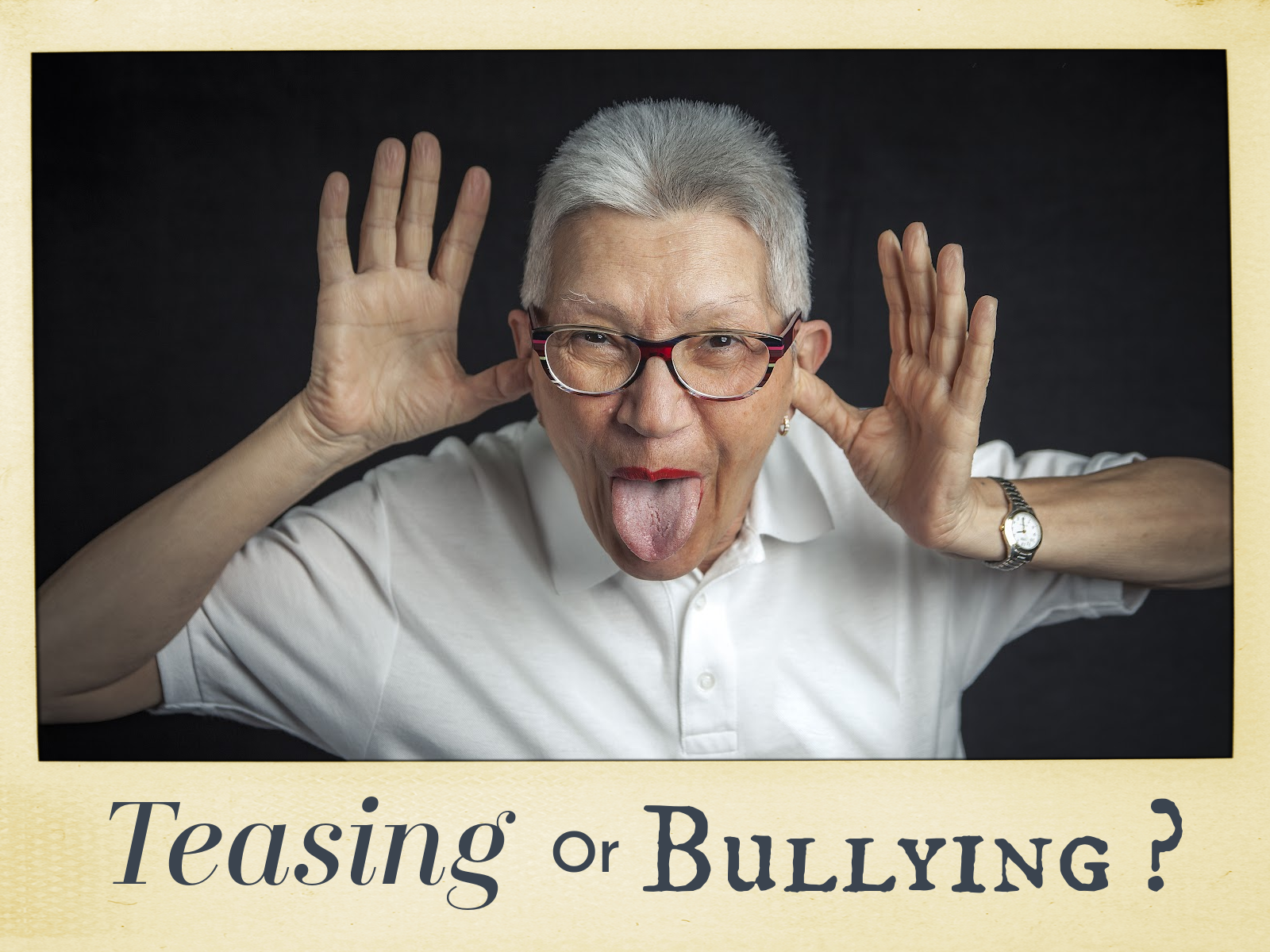
Teasing or Bullying? - The Line Between Bonding & Harming
The article distinguishes between teasing and bullying, emphasizing the importance of recognizing the differences for emotional well-being. Teasing is playful and fosters connection, while bullying is aggressive and damaging, often targeting insecurities. It offers signs to identify each behavior, encourages individuals to trust their feelings, set boundaries, and seek support when necessary, advocating for healthier relationships where one feels respected and safe.
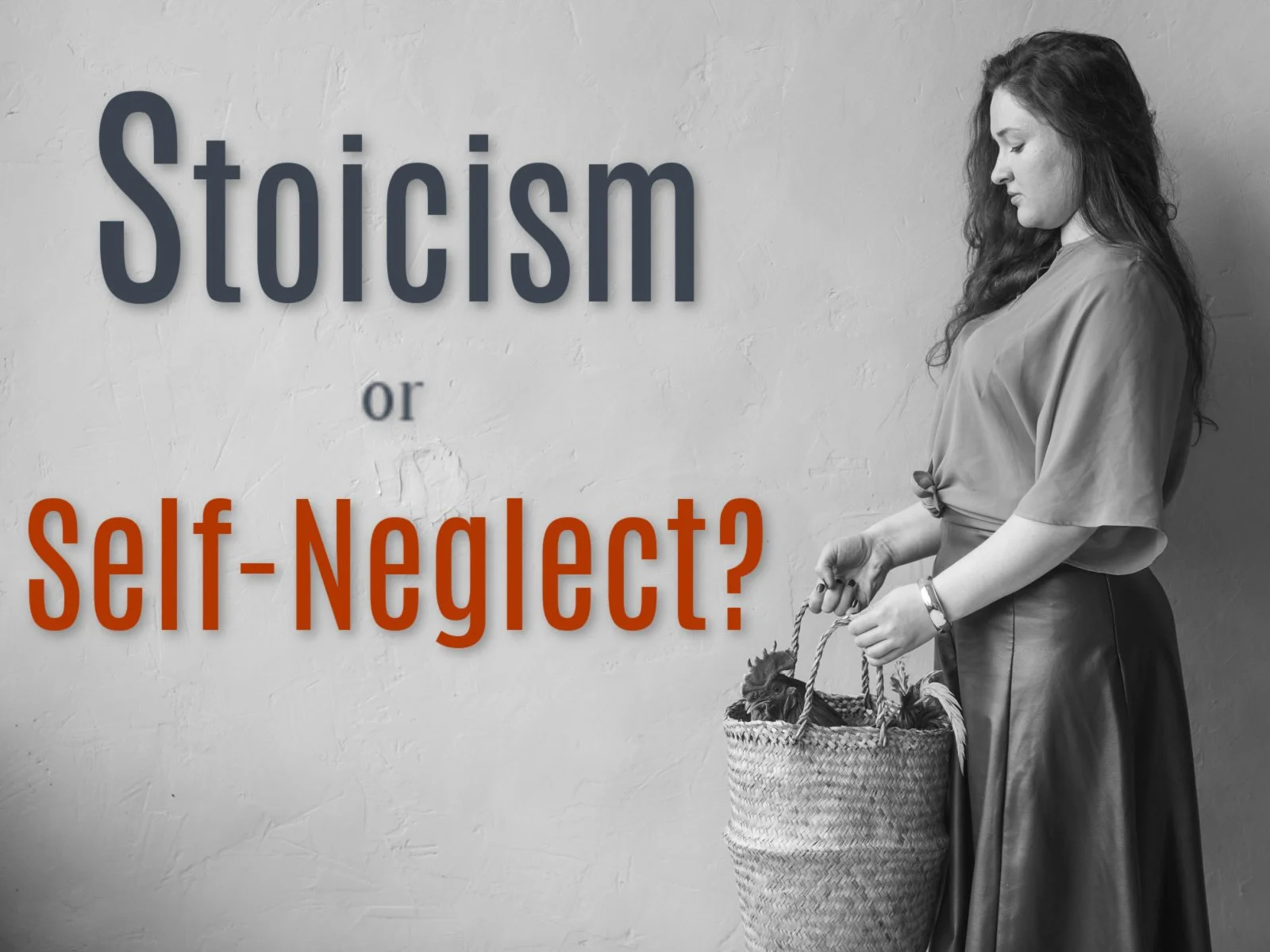
Stoicism or Self-Neglect?
The article discusses the rising interest in stoicism among young adults, highlighting its philosophical roots and cultural significance. While traditional stoicism promotes inner peace leading to virtuous actions, modern interpretations often blur lines with self-neglect. Emphasizing self-worth and emotional acceptance, the author advocates for a healthier approach to practicing stoicism aligned with psychological well-being.

What is OCD? How Intrusive Thoughts Can Derail Your Life
Obsessive-Compulsive Disorder (OCD) is a widely prevalent condition, but not enough people understand what it truly is. You might hear it used in your family or social circles when somebody is enthusiastic about washing their hands or someone is very specific when organizing their bedroom. However, OCD is much more than your average pickiness about how things look or are. OCD is a deeply emotional disorder which can lead to someone derailing their own life to achieve a sense of relief. To understand its self-sabotaging nature, we need to look at what the DSM-5 says about OCD first.

Celebrating Disability Awareness Month at Great Lakes Mental Health
July is Disability Pride Month, a time to celebrate folks with disabilities and increase visibility about disability issues.
What are disabilities?
Disability is a broad term that includes both visible and invisible differences that change how someone interacts with the world. Disability includes both physical and mental health conditions that change how someone interacts with the world. Visible disabilities include those we can see without talking to another person, like when someone uses a wheelchair or has lost a limb. Invisible disabilities are those that cannot be seen, such as diabetes or ADHD. The distinction between visible and invisible disabilities can be important for understanding different issues someone might face in their life due to how others perceive them.
Some people with disabilities prefer person-first language to talk about their disability, which is how this article talks about it. Person-first language means saying things like “individual with a disability” or “person with diabetes.” Others prefer identity-first language, such as disabled or autistic. These language differences can have important meaning to individuals, and for that reason you should listen to and use the terms the individual prefers when talking about their disability.
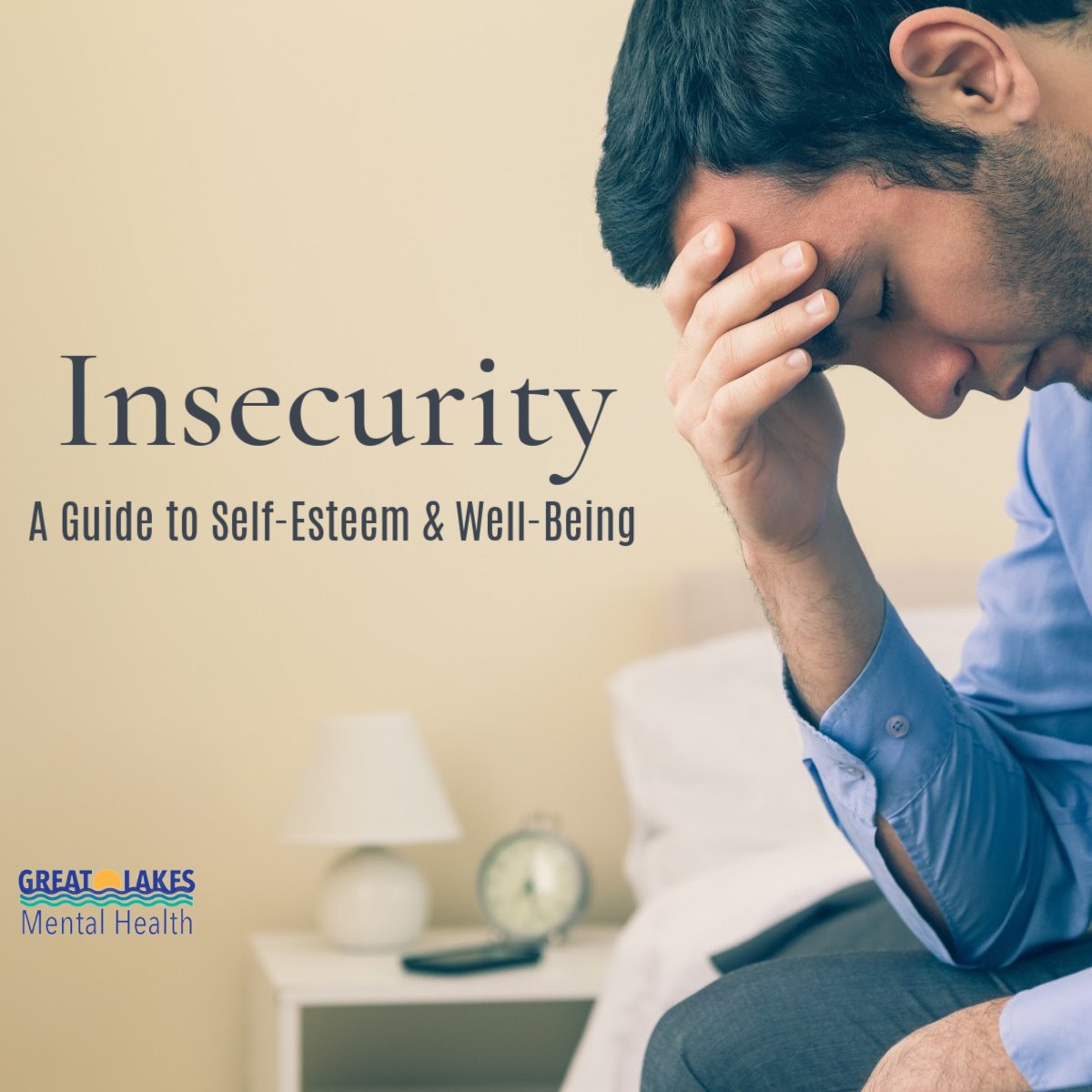
Insecurity: A Guide to Self-Esteem & Well-Being
Insecurities are the monsters underneath our beds. They are the echoes in our consciousness that eat away at our assurance in ourselves, others, and what lies ahead. These can be fears of inadequacy, judgment, and worthlessness. Such expectations create deep emotions of anxiety and sometimes anger. The good news is that managing insecurities is possible, and doing so will not only improve your relationship with yourself but with others as well. In this article, I will provide the basic aspects of insecurities and practical measures you can take to improve your well-being.

Five Ways to Disagree With Your Therapist
Therapy doesn't always go smoothly. While we clinicians would love to believe that we are always delivering great care, we make mistakes in our job like in any other profession. A small mistake is not always a deal breaker, but that does not mean it should go unaddressed. Like any relationship, being able to speak your mind about negative experiences is paramount. If you are concerned about conflict with your therapist, that's understandable. However, I can provide you with some inoffensive phrases to use to help you disagree with your therapist. Having these short sentences in your vocabulary doesn't mean you're looking for a fight. It means you are advocating for your own experience, which any therapist should encourage as well, even if they're involved.

The Wonders of Walking
No, this is not just another “drink a green shake” or “go to the gym” article that promises to solve all your problems with just one change. There are several factors that contribute to overall health, one of them being the connection between the brain and body. Today is National Walking Day, and there is a great reason this exercise has its own day in the calendar! It can be overlooked due to its simple nature or it’s popular association with getting enough steps in a day. However, when studied, walking has been found to have wonderful effects on the mind and body. Walking is not a panacea, but it is a small activity with a large impact, starting with just getting out the door.

Top Phrases for Flourishing Relationships - Part 2
Communication can always be improved. The better you learn to funnel your thoughts and emotions into words the better your relationships become. However, a lack of healthy communication is not always a sign of contempt or hate. Speaking and listening are cultural, taught, and practiced. This means that communication is a technique you can improve. Like dance, where a small change in footwork can change the entire routine, a few helpful phrases can improve the course of a conversation. These phrases are composed of three factors that were discussed in part one:
1. Awareness
2. Emotion
3. Power

Top Phrases for Flourishing Relationships - Part 1
Communication is the cornerstone of relationships, and relationships are what build our lives. Our relationships with friends, family, and partners are all central to the human experience. With these individuals, the majority of our time is spent speaking, listening, and understanding. In the most important relationships we have, the manner in which you speak and the way in which you listen can determine how healthy your relationship is. Certain words and phrases are crucial to building your relationships to last. This is possible, but you must first consider the three of the most important aspects of communication:

Meditation: A Tool to Survive an Attention Economy
Today's world is full to the brim with distractions and devices pleading for your attention at all times. Ever since the technological revolution that shaped our now fast-paced society, finding tranquility can feel impossible. Moments of peace are vital to mental health and effective rest. A potent practice, known as meditation, has addressed this need around the world for centuries. Meditation can provide stress relief and a variety of benefits to your psychological well-being. These benefits include more than just relaxation as research has discovered a plethora of actual neurological changes with routine meditation. An attention economy can leave an impact on our brain, and meditation can be helpful in rewiring our brains back to health.

A Call for Help: How to Know When You Need Therapy
In a world that constantly urges self-reliance and independence, it can be difficult to know when you need some help. Many people ponder the question of whether their pain is worth seeking professional help or if they should act more “disciplined” or “resilient.” However, knowing when to seek therapy is important for your mental health.

Three Self-Permission Slips for Better Mental Health
Fighting with others is one thing, but fighting with yourself is another. That voice in your head can be relentless, constantly calling you names or doubting your choices. This voice is what we call “ negative self-talk” and it can run our day if we let it. It can push you to try and work when you are completely tired or coerce you into attempting to achieve when all you really want to do is spend time resting or meet with loved ones.